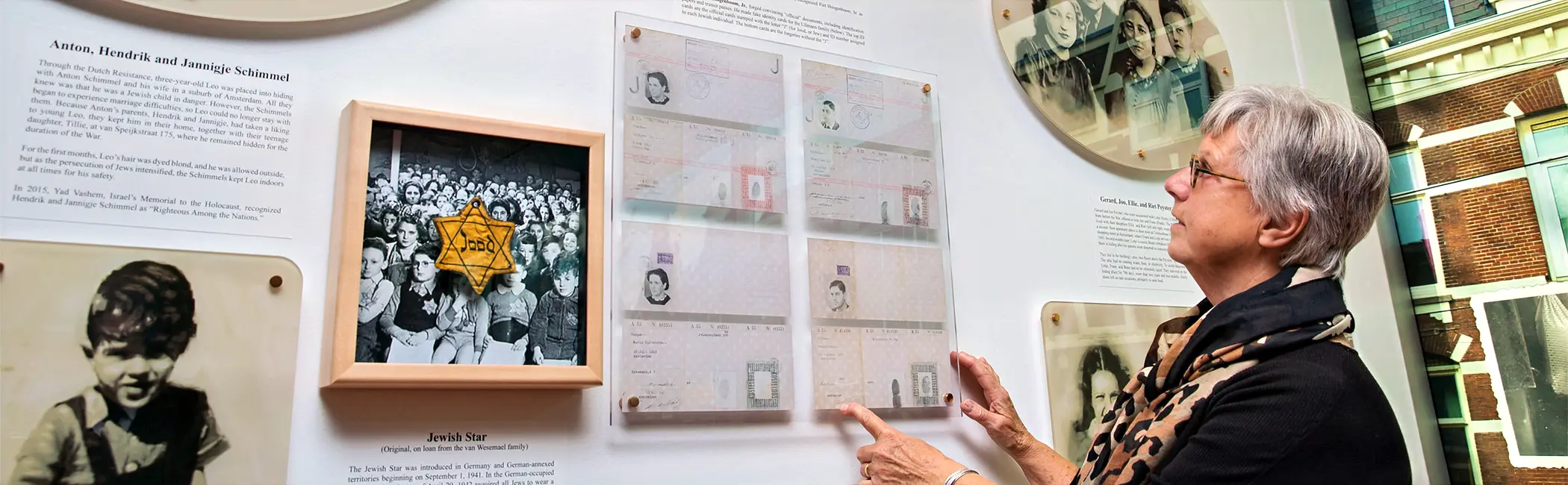
The Master of Arts in Holocaust and Genocide Studies at Stockton University examines the history, causes and prevention of mass violence. One of the first programs of its kind in the United States, the degree helps students understand global conflict and issues involving human rights, displacement and justice.
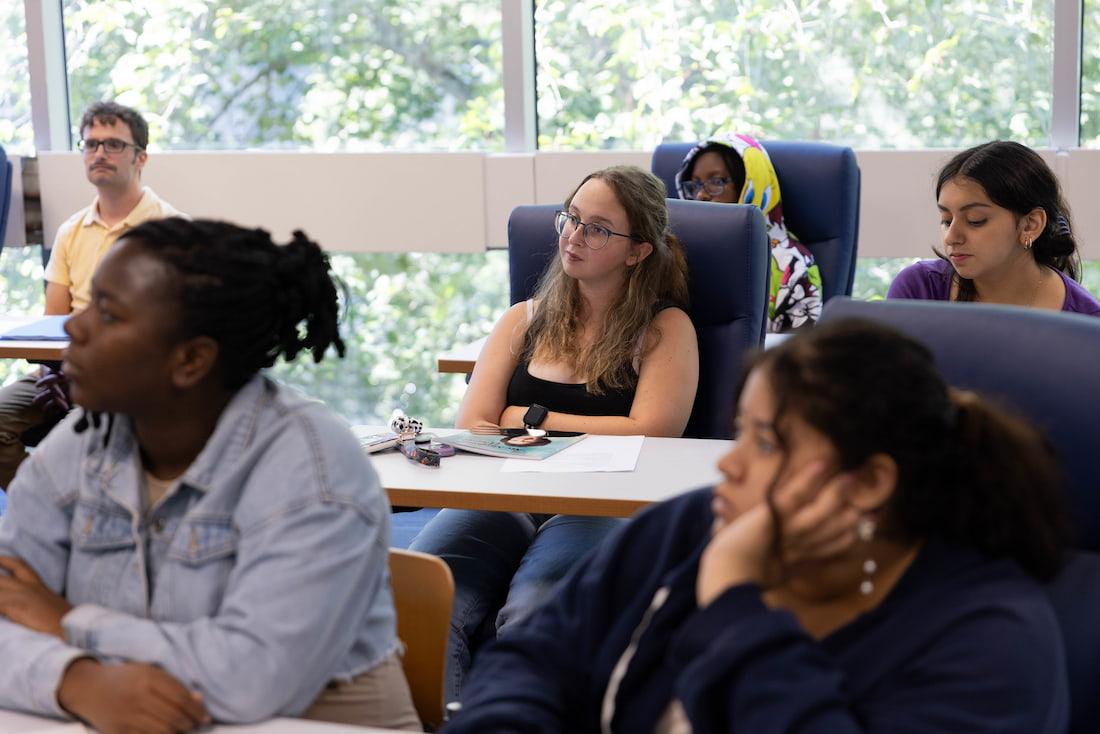
Through small seminars and research-based coursework, students study the Holocaust, genocide, migration, refugees and transitional justice. Capstone projects, internships and public research may include archival work, oral histories and digital storytelling. Flexible online and hybrid options support career preparation in education, museums, nonprofit organizations and advocacy.


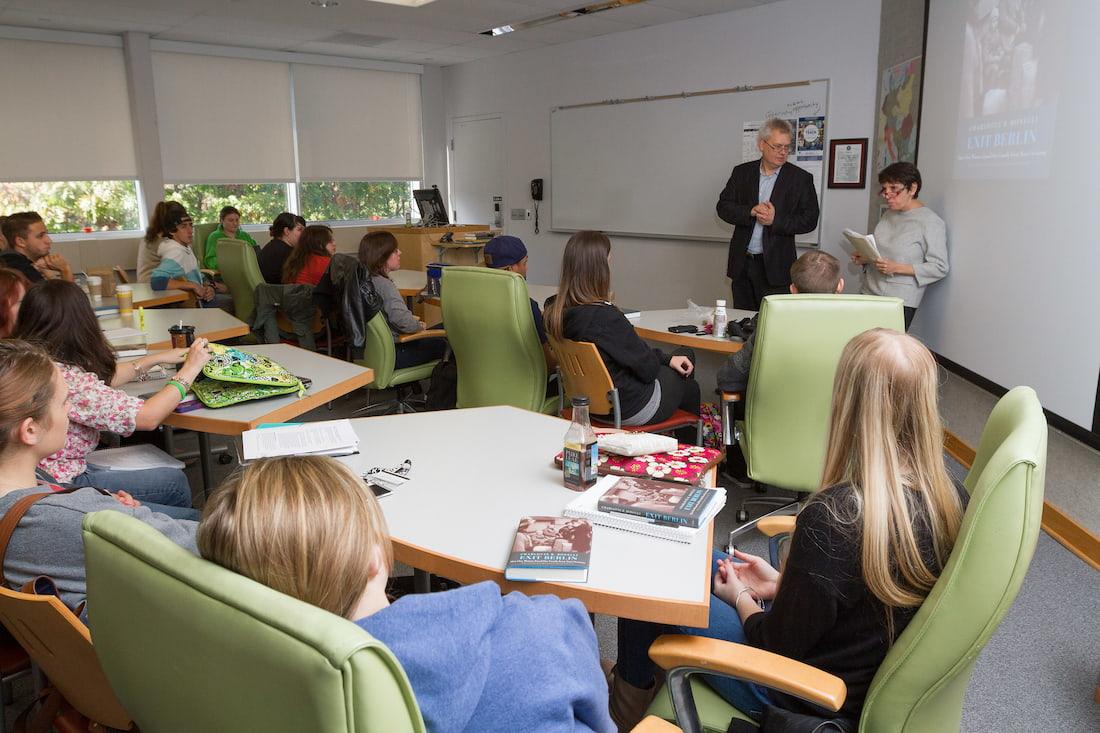
Study the Past to Understand Today’s Conflicts
What can you do with a Master’s degree in Holocaust and Genocide Studies?
Graduates may pursue careers in education, museums, public history, nonprofit organizations and human rights advocacy. The program can also support work in Holocaust education, genocide prevention, refugee services and public research. Some graduates continue into doctoral programs in fields such as history, political science and global studies.
What do students study in the Holocaust and Genocide Studies program?
Students examine the Holocaust within the broader study of genocide, mass violence and global conflict. Coursework explores topics such as settler colonialism, forced migration, refugee studies, human rights law and transitional justice. Students use historical research and interdisciplinary methods to study how violence develops, how communities are affected and how societies respond.
What applied learning opportunities are available in the program?
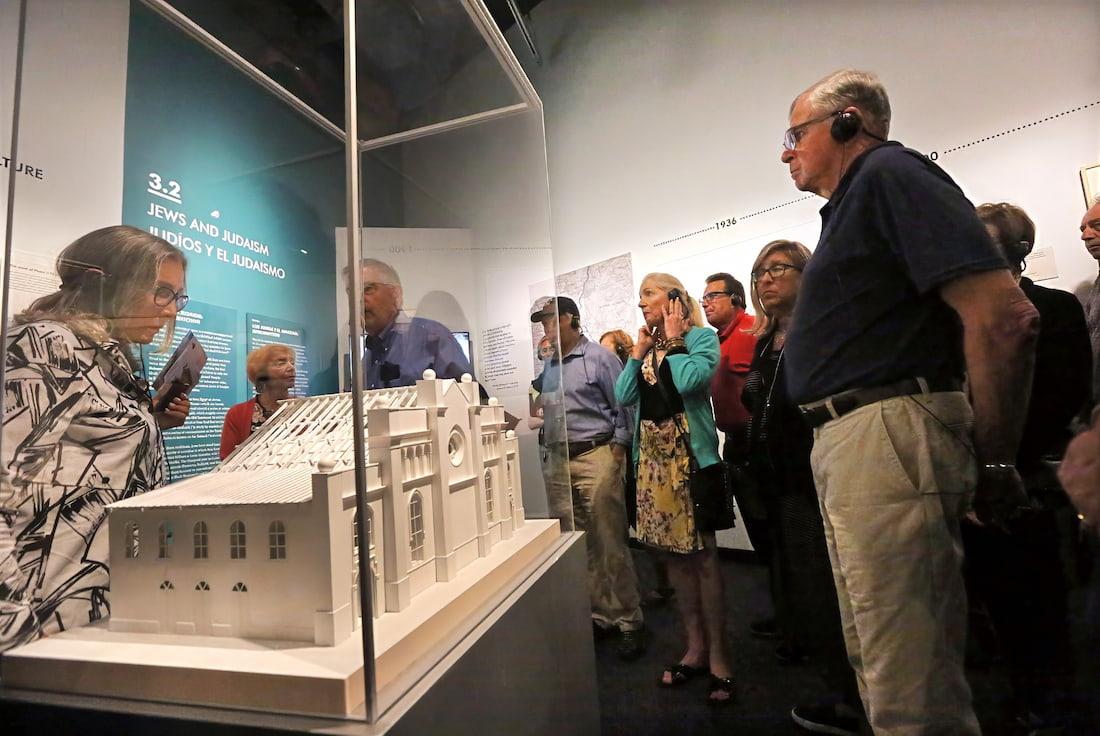
Students may complete archival research, oral history projects, digital storytelling and other public-facing research. Depending on their interests, they may contribute to museum exhibitions, mapping projects or initiatives that document survivor experiences, displacement and historical memory.
Can the Holocaust and Genocide Studies master’s degree be completed online?
Yes. Students can complete the program fully online or combine online and face-to-face courses. This flexibility allows students to study genocide, human rights, forced migration and conflict while completing the degree in the format that works best for them.
What makes Stockton University’s Holocaust and Genocide Studies program distinctive?
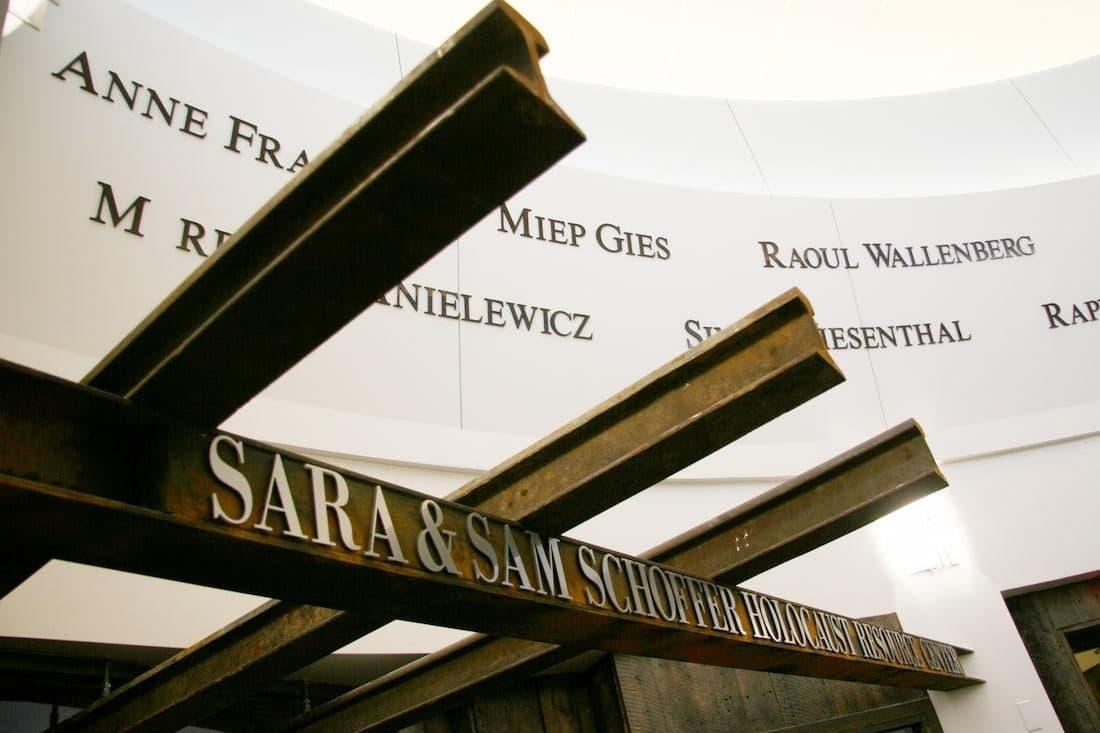
Stockton University’s program combines interdisciplinary study with access to the Sara and Sam Schoffer Holocaust Resource Center. Students learn from faculty in fields including history, political science, communication studies, criminal justice and education. Their studies connect Holocaust history with genocide prevention, refugee studies, transitional justice and historical memory.
Program Faculty
Listing of Program Faculty and Staff
Core Faculty

Dr. Raz Segal

Dr. Christina Morus
Affiliated Faculty and Staff

Dr. Lauren Balasco

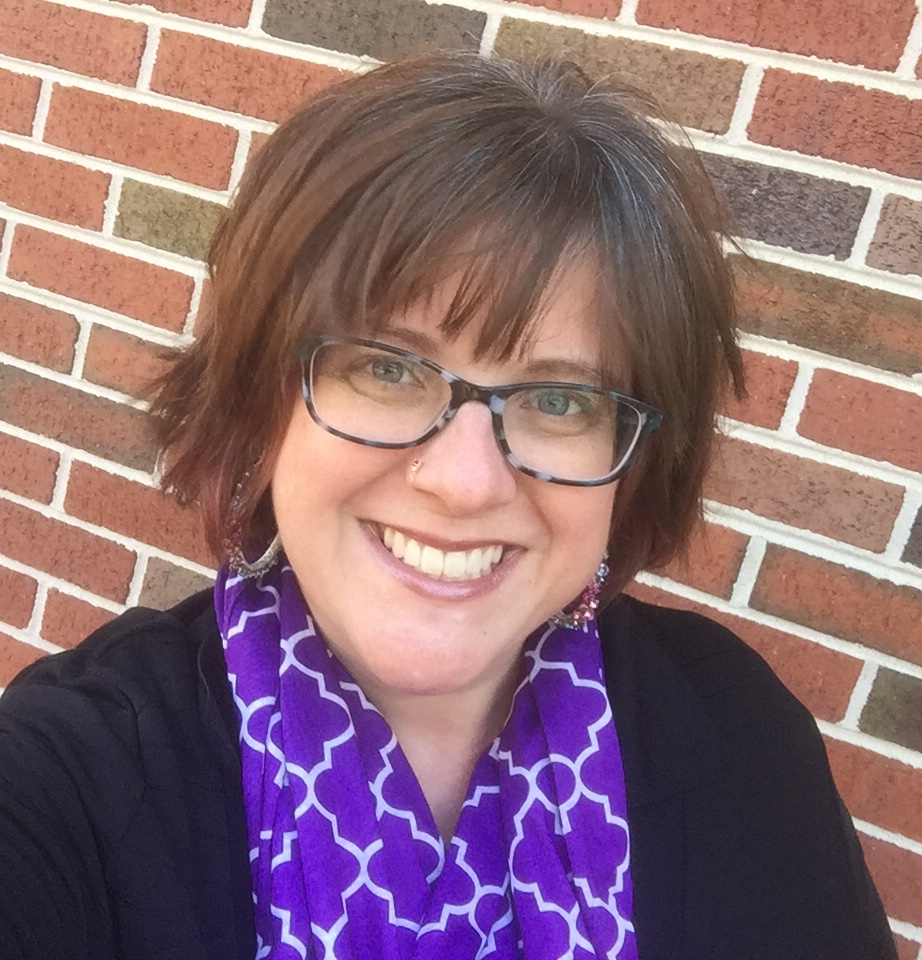
Dr. Jess Bonnan-White


Irvin Moreno-Rodriguez
Emeritus/Emerita Faculty
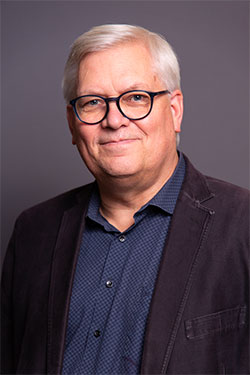
Dr. Michael Hayse
Alumni Spotlight
College Educators/Higher Education

Doug Cervi ('02)

Michael Dickerman ('11)

Steven Marcus ('02)
PhD and beyond

Patty Chappine ('09)

Matthew Hone ('01)

Cyanne Loyle ('04)

Tiara N. Yahnian-Murta ('20)
Museums and Other Organizations

Amanda Solomon ('19)

Laurie Garcia ('18)

Rachel Herman ('12)

Trinity Johnson ('08)

Michael Morris ('14)

Andrea Heymann ('16)

Aaliyah Tayyebi
Admissions Criteria
Application Deadline
While graduate admissions selection committees review applications until the start of the semester, by applying prior to the Priority Deadline, you can ensure that your transition to Stockton is as smooth as possible.
Priority Consideration Dates:
Fall: July 1
Spring: December 1
To be considered for admission to the Master of Arts in Holocaust & Genocide Studies Program, applicant must submit the following:
- Click here to start your application.
- If you are a recent Stockton graduate, check to see if you qualify for the Direct Entry Option.
- Application Fee: $50 (non-refundable), submitted with your online application
- Graduate application essay
- Writing sample (2,000 - 2,500 words)
- The sample should be an academic or professional paper, preferably related to the study of genocide and mass atrocities. In exceptional cases --- and only upon approval by the MAHG director --- applicants would be permitted to submit an expanded statement of interests, which should include research and professional ideas and plans related to Holocaust and Genocide Studies, broadly defined.
- Three current letters of recommendation sent electronically via the Discover Stockton
Application
- Please note:
- References should send recommendation letters in addition to completing the online recommendation form.
- Letters of recommendation should include specific information about the academic and/or
professional qualifications, experience, and achievements of the applicant in relation
to the study of genocide and mass atrocities. At least one of the three letters of recommendation must be from a faculty member in a university
or college, and we accept letters from professional supervisors, internships coordinators,
etc. Letters from friends will not be accepted.
- If an applicant cannot obtain at least one letter from a faculty member in a university or college, they should contact the MAHG director to discuss and request approval for the submission of another letter instead.
- Please note:
- Resume
-
Official transcripts from all colleges and universities attended, showing a minimum GPA of 3.0 or higher, must be sent directly to the Office of Graduate Admissions electronically, by mail, or in-person. The Office of Graduate Admissions will retrieve Stockton transcripts on your behalf. Applicants who completed their undergraduate degrees outside the US will need, in addition, credential evaluation of their transcripts and degrees. See, for instance, the website of the World Education Services: https://www.wes.org/. For full details on International Applications click here.
- By mail:
Office of Graduate Admissions, N-Wing 007a
101 Vera King Farris Drive
Galloway, NJ 08205-9441 - Electronically:
gradschool@stockton.edu
To review international applicant deadlines and admission criteria, please click here. - By mail:
Experiential Learning Opportunities
Students can participate in internships, research collaborations, public history projects, and study tours. Opportunities may include work with archives, museums, and global organizations focused on genocide awareness and prevention.
Funding and Support
Funding opportunities may include scholarships, graduate assistantships, and research support. Additional funding may be available for travel, conference participation, and specialized research in areas such as refugee studies or human rights.




Apply today. If you have further questions you can Request More Information, call Graduate and Continuing Studies at (609) 626-3640 or E-mail gradschool@stockton.edu.
{{ studyArea.title }}
{{ studyArea.type }}