Stockton University’s Master of Arts in Counseling is a 60-credit, CACREP-accredited graduate program that prepares students for careers in mental health and human services. Students develop counseling, assessment and clinical skills for work in settings such as community mental health centers, hospitals, residential treatment programs and social service agencies.
The accelerated two-year program is designed with working graduate students in mind, with classes primarily held on Mondays and Thursdays at Stockton’s Kramer Hall in Hammonton, New Jersey. Students complete a 100-hour practicum and two 300-hour internships, with electives in areas such as play therapy, supervision, eating disorders, and special populations. Graduates are eligible to take the National Counselor Examination (NCE) and pursue professional counseling credentials.



 The Master of Arts in Counseling program is accredited by the Council for Accreditation
of Counseling and Related Educational Programs (CACREP).
The Master of Arts in Counseling program is accredited by the Council for Accreditation
of Counseling and Related Educational Programs (CACREP).
Build Your Career in Counseling
How can Stockton University’s M.A. in Counseling fit into my career and professional goals?
Stockton University’s M.A. in Counseling is designed to help graduate students balance advanced study with work and other responsibilities. Classes are mainly held on Mondays and Thursdays, usually in the late afternoon and evening. The accelerated two-year format allows students to complete the degree while building the counseling knowledge, clinical skills and professional experience needed to move into or advance within the mental health and human services field.
How will I gain counseling experience before I graduate?
Students begin developing counseling skills through role-play and simulated client sessions before moving into professional settings. The program includes a 100-hour practicum and two 300-hour internships, where students gain experience with individual and group counseling, client services, documentation and professional supervision. Stockton also helps students identify approved clinical placements that support their professional interests and prepare them for work in counseling and behavioral health settings.
What careers can an M.A. in Counseling prepare me for?
Graduates are prepared for counseling careers in mental health and human services. Career settings may include community mental health centers, hospitals, residential treatment programs, social service agencies, nonprofit organizations and private organizations. Students build skills in counseling, assessment, interviewing, referrals and crisis support that can be applied across a wide range of clinical, community and behavioral health environments.
Does the program prepare me for counseling certification and licensure?
Yes. Graduates are eligible to take the National Counselor Examination (NCE) and may pursue the National Certified Counselor (NCC) credential. The program also prepares graduates for the path toward New Jersey licensure as a Licensed Associate Counselor (LAC) and later a Licensed Professional Counselor (LPC). This professional preparation supports students as they move from graduate study into supervised counseling practice and long-term career development.
Can I explore different areas of counseling?
Yes. The 60-credit program provides broad preparation in professional counseling while offering electives in specialized areas. Topics may include play therapy, supervision, eating disorders, and special populations. These options allow students to explore different counseling approaches, client populations and career settings while building a strong foundation for professional practice.
Program Faculty
The Counseling graduate program is home to a diverse and accomplished faculty committed to creating a dynamic and engaging learning environment for students.

Sara Martino
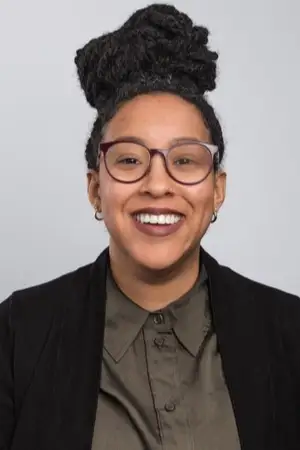
Terrilyn Battle

Erin Sappio

Kate Worley
Admissions Criteria
Application Deadline
Fall 2027: Deadline February 16, 2027
Prerequisite/Matriculation Requirements
- Baccalaureate degree from a regionally accredited institution of higher education
- Minimum undergraduate GPA of 3.0
- Incoming students should have a degree in psychology. For non-psychology majors, applicants should have experience in a statistics or research methods class. Applicants should also have taken a psychology course, such as psychopathology, developmental psychology, or personality. These matriculation requirements can be met by courses taken at the undergraduate level or graduate level. If taken at the graduate level, there is an additional requirement of an earned grade of B or better.
Admissions Requirements
- Click here to start your application.
- Application fee: $50 (non-refundable), submitted with your online application
- Graduate application essay
- Three letters of recommendation sent electronically via the online application
- Graduate Record Examination (GRE) scores sent electronically to school code: 2889
- Scores must have been taken within the last 10 years
- GRE requirement is waived for those applicants with a cumulative GPA of 3.51 or higher, and is also waived for master's degree holders.
- Resume
- Official transcripts from all colleges and universities attended must be sent directly to the Office of Graduate Admissions electronically, by mail, or in-person. The Office of Graduate Admissions will retrieve Stockton transcripts on your behalf.
-
The admissions process also includes an interview with program faculty. Information will be sent to your email.
By mail:
Office of Graduate Admissions, N-Wing 007a
101 Vera King Farris Drive
Galloway, NJ 08205-9441
Electronically:
gradschool@stockton.edu -
To review international applicant deadlines and admission criteria, please click here.
Frequently Asked Questions
1. Do I need to have a specific degree for admittance into the program?
Incoming students should have a degree in psychology. For non-psychology majors, applicants should have experience in a statistics or research methods class. Applicants should also have taken a psychology course, such as psychopathology, developmental psychology, or personality. These matriculation requirements can be met by courses taken at the undergraduate level or graduate level. If taken at the graduate level, there is an additional requirement of an earned grade of B or better.
2. Are GRE scores required?
Yes, with the exception of master's degree holders or those with a cumulative GPA of 3.51 or higher. The Graduate Record Examination (GRE) must have been taken within the last 10 years.
3. When are students admitted to the program?
Students are admitted in the Fall semester only.
4. When and where are classes held?
Classes are held in the afternoon and evenings at Stockton's Kramer Hall Instructional Site in Hammonton, NJ.
5. Can I take courses in the M.A. in Counseling program prior to being admitted into the program?
Yes. To register, students must complete the online Graduate Non-Matriculated Student form.
6. Can the program be completed as a part-time student?
7. Can I transfer credits into the program?
Stockton may accept up to 9 credits that sufficiently match corresponding Stockton courses, provided that the grade earned is a 3.0 (B) or better. Clinical courses are exempt from transfer.
8. How soon after the application deadline will I know if I have been accepted?
After all applications have been reviewed, the most qualified applicants are invited to interview in mid-March. After interviews are completed, final decision letters will be mailed no later than May 1st but these timelines can be adjusted based on circumstances (weather, emergencies, etc.). Please note that meeting the minimum requirements does not guarantee interview or admission to the M.A. in Counseling program.
9. Is Stockton University’s M.A. in Counseling CACREP accredited?
Yes. Stockton University’s Master of Arts in Counseling is accredited by the Council for Accreditation of Counseling and Related Educational Programs (CACREP). The program received accreditation on August 12, 2024, for an eight-year period. Graduates dating back to July 11, 2022, are considered graduates of a CACREP-accredited program.
You can also view the program’s current status on the CACREP website. Stockton was also one of three institutions selected to receive a CACREP grant supporting the accreditation process.
Additional Information
Program Handbooks
Stockton University’s Master of Arts in Counseling is designed to prepare students with the knowledge, clinical skills and professional foundation needed for effective counseling practice. The curriculum reflects the eight core areas identified in CACREP standards, including professional counseling orientation and ethical practice, social and cultural diversity, human growth and development, career development, counseling and helping relationships, group counseling and group work, assessment and testing, and research and program evaluation.
These academic objectives guide the program’s curriculum and help define the knowledge, skills and professional values students are expected to develop throughout the degree:
-
To provide meaningful educational experiences to prepare graduates with foundational skills, critical thinking ability, and dedication to the counseling profession.
-
To prepare graduates for employment, licensure, and certification by meeting the standards set by the appropriate accrediting and licensing agencies.
-
To inspire graduates to become advocates for their clients and leaders in their profession.
-
To encourage patience, sensitivity, and understanding in the delivery of counseling services to diverse communities.
-
To prepare graduates for a commitment to ethical professional practice.
-
To prepare students to use research as a guide for identifying effective counseling techniques (Chwalisz, 2003).
Together, these objectives support the program’s focus on ethical practice, evidence-based
counseling and preparation for professional work with diverse individuals and communities.
This section also provides context for the program outcome information and graduation
data presented below.
Accreditation
Stockton University’s Master of Arts in Counseling is accredited by the Council for Accreditation of Counseling and Related Educational Programs (CACREP). The program received accreditation on August 12, 2024, for an eight-year period. The accreditation also applies retroactively to graduates dating back to July 11, 2022.
You can view the program’s current status on the CACREP website. Stockton was also one of three institutions selected to receive a CACREP grant to support the accreditation process, and Program Chair Dr. Sara Martino was featured in a related NBCC article.
| Program Metrics | 2024 | 2025 |
| Number of graduates | 16 | 16 |
| Degree completion rate | 94% | 94% |
| Licensure/certification pass rate | 92% | 88% |
| Employment rates for graduates | 53% | 69% |
Certifications & Licensure
Stockton University’s M.A. in Counseling prepares graduates to take important steps toward professional certification and counseling licensure.
National certification:
Graduates are qualified to take the National Counselor Examination (NCE), administered by the National Board for Certified Counselors (NBCC). Passing the NCE allows graduates to pursue the National Certified Counselor (NCC) credential, a nationally recognized professional certification for counselors.
New Jersey licensure
The program provides endorsement for students to take the National Counselor Examination (NCE) in their last semester before graduation. This allows them to apply for their Licensed Associate Counselor (LAC) license upon graduation. The program prepares students for the path toward becoming a Licensed Professional Counselor (LPC), which includes completing additional supervised professional experience after graduation. LPCs may work in settings such as nonprofit organizations, private agencies and private practice in New Jersey.
The program’s CACREP accreditation also supports graduates as they move through the certification and licensure process by aligning the curriculum with recognized standards for professional counselor preparation.
Apply today. If you have further questions you can Request More Information or call the Office of Graduate Admissions at (609) 626-3640 or E-mail gradschool@stockton.edu
{{ studyArea.title }}
{{ studyArea.type }}