GIS - General Integration & Synthesis
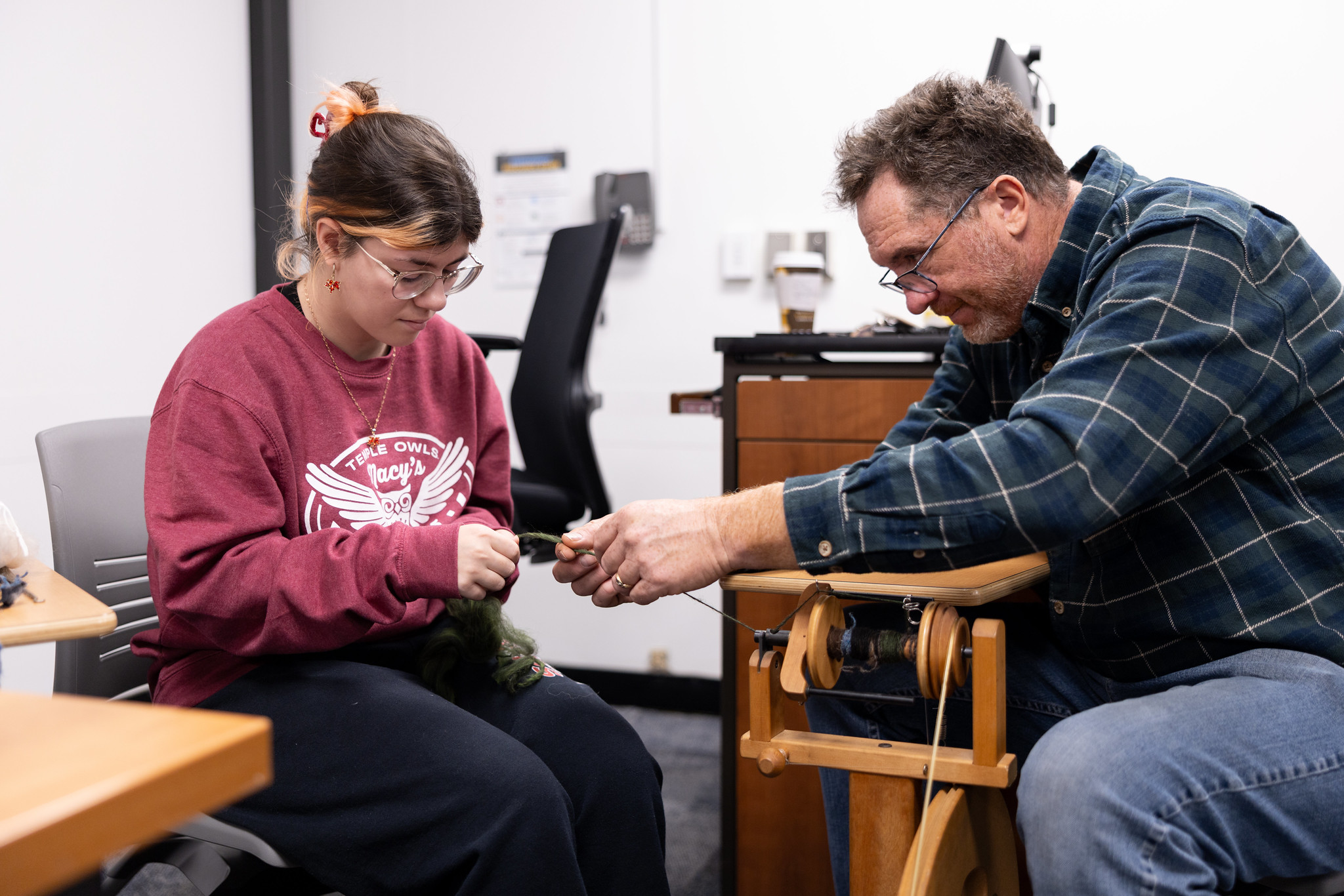
GIS courses are designed to assist students already acquainted with the various modes of knowledge to understand the connectedness of things.
GIS courses seek to help the student transcend specialization and gain perspective on self, areas of knowledge, and the human condition. GIS courses are not just interdisciplinary but transcend the limits of any one of the existing academic divisions at Stockton either in subject matter or content or by directly addressing those human experiences – individual and social – that themselves transcend the boundaries with academic life.
Types of Courses
GIS requires extraordinary effort on the part of professor and students to bring together diverse areas and points of view. GIS requires serious reading, writing, and discussion, and sustained interaction with people from different disciplines. GIS courses may be taught in two modes:
Lecture or Discussion Mode
Seminar Mode